A complete yacht charter guide that has everything you need to know about your next sailing holidays in St. Martin. Want to know more?
Keep reading…Let’s get started.
| Category | Details |
| Best Time to Sail | Mid-December to May (Trade winds ~15 knots, moderate rainfall). |
| Average Temperature | Steady around 26°C (80°F) year-round. |
| Starting Point | Marina Fort Louis (Marigot) or Marina Port La Royale. |
| Arrival Airport | Princess Juliana International Airport (SXM) on the Dutch side. |
| Dual Culture | French Side: Gourmet food (Grand Case), chic boutiques. Dutch Side: Lively clubs, casinos, and duty-free shopping. |
| Currencies | Euro (€) on the French side, Florin (ANG) on the Dutch side. USD widely accepted. |
| Sailing Experience | Bareboat (requires license/experience), Skippered, or Fully Crewed. |
St. Martin’s best sailing conditions fall between mid-December and May, when refreshing trade winds around 15 knots dominate, and rainfall is moderate. During this high season, sea states are calmer, promoting easy passages between St. Martin’s French and Dutch sides, as well as to nearby Anguilla or St. Barts.
From June to November, the region enters hurricane season, meaning a greater chance of storms and rainfall. While some sailors find the low-season discounts appealing, the changeable weather can make planning a charter more unpredictable.
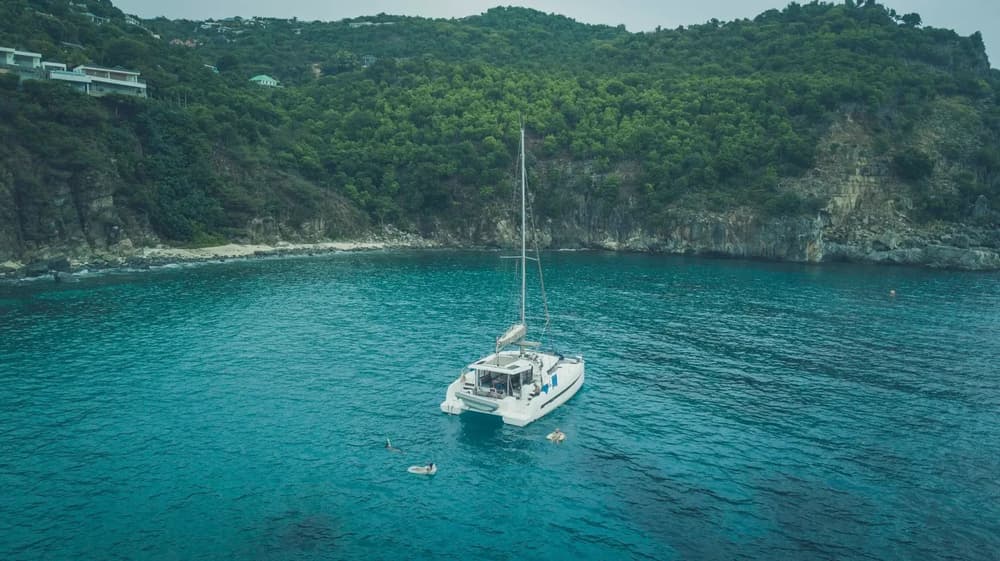
What are the sailing qualification and license requirements to charter a yacht or catamaran in St. Martin? St. Martin features both French (St. Martin) and Dutch (Sint Maarten) jurisdictions, which can result in varied but generally flexible charter regulations. Most operators look for a recognized skipper’s certification - such as the ICC or ASA 104 - and/or proof of previous bareboat charter experience.
The island’s central Caribbean location makes it a popular jumping-off point for regional cruising, meaning marinas can be busy, and mooring fees vary. Thoroughly review your route, update your charts, and stay alert for shallow reefs around smaller neighboring islets to ensure an effortless island-hopping adventure.
Split into French (St. Martin) and Dutch (Sint Maarten) sides, this island merges two distinct cultures, each brimming with gastronomic delights. On the French side, enjoy haute cuisine in Grand Case - hailed as the Caribbean’s “Gourmet Capital” - offering delicate pastries, fine wines, and Creole specialties like stuffed crab backs.
The Dutch side bustles with lively beach bars serving barbecue ribs, conch stew, and international fare. Both sides celebrate carnival, featuring steel pan music, colorfully costumed parades, and spirited dancing - an ideal backdrop for a culturally rich St. Martin sailing holiday.
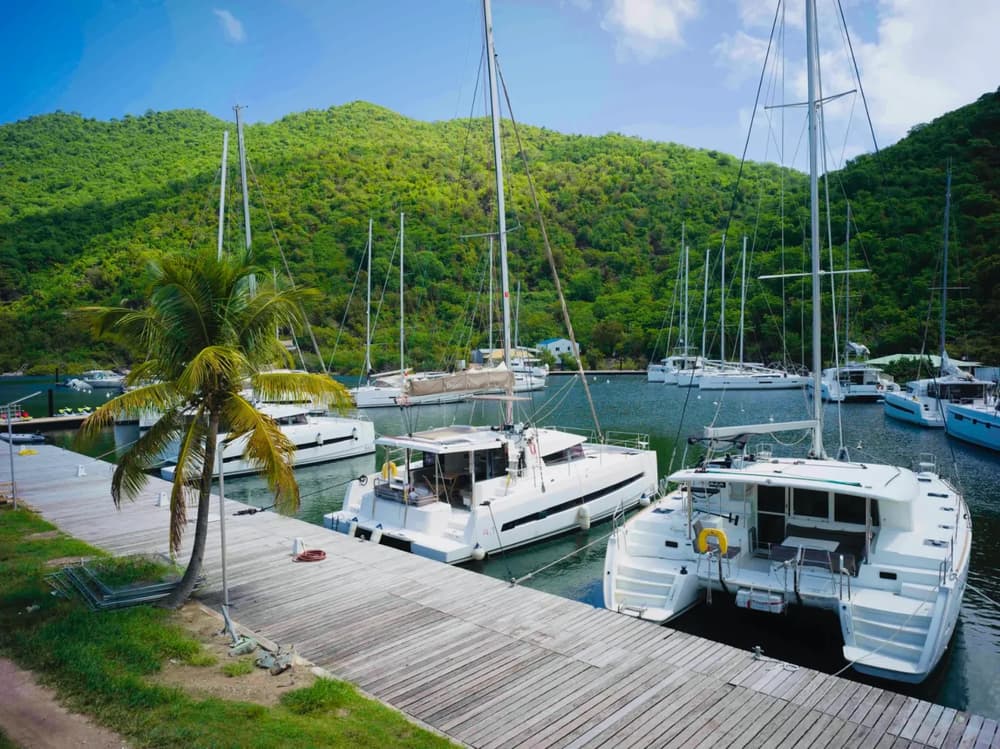
Because the island is split between French (St. Martin) and Dutch (Sint Maarten) sides, check-in procedures vary by port of entry. On the French side, you’ll likely use automated customs kiosks; on the Dutch side, clear immigration at marinas like Simpson Bay.
Mooring or anchoring can be restricted in certain lagoon areas to protect mangroves and reefs. Carry your boat registration and insurance at all times, ensuring smooth passage across both parts of this dual-nation island.
.webp)
Though it is small, it is mighty. While St. Martin is only 87 square kilometers, it is divided 60/40 between France and the Netherlands. The island is truly the best of both worlds, where you will see practically two different destinations on your St. Martin yacht charter.
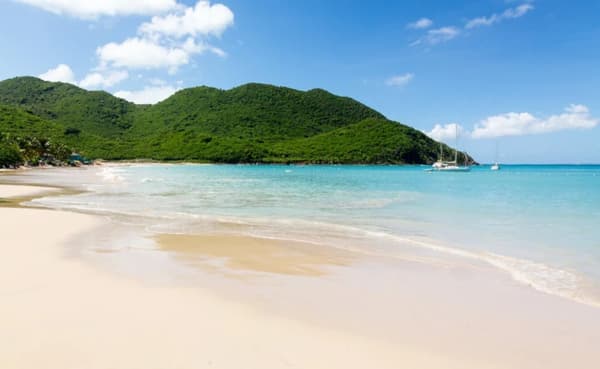
With St. Martin sailing, there’s plenty of beautiful nature to explore. You can spend your days on remote, peaceful islands, swimming through kaleidoscope reefs, or chilling on the white sand beaches. You can also delve in and experience the unique blend that has manifested from France and the Netherlands influence.
The Dutch side of the island is known for an animated club scene, casinos, and plenty of native rum-based guavaberry liquors. On the French side, people love french-indian cuisine, outdoor markets, and nude beaches.
Lucky for sailors, the average air and sea temps for a St. Martin boat rental is 80°F (26°C) year-round due to it’s “inter-tropical” climate.
Some might want to avoid the rainy season (June - December), but it’s not as bad as the other islands, so you could take a chance on the off-season to take advantage of lower prices and special offers. Trade winds blow between Dec-March, and June-Aug, however, July-Nov is hurricane season, which is good to be aware of when booking. The Easterly Trades, during the summer months, are between 10-20 knots, and then during the winter months, the winds blow stronger at 25 to 30 knots.
Sailors should also note that visibility is very good, and you can usually see about 60 miles out. From Aug-Oct, you might have reduced visibility to about 15 miles due to haze. The tidal range is small, just about 30 to 60 cm.
.webp)
The best way to get to your St. Martin yacht charter is by flying into Princess Juliana International Airport (SXM) on the Dutch side. For direct itineraries, there are three airlines that offer regular flights from France: Air France, Air Caraïbes, and Corsair. Other airlines offering flights to St. Martin include Air Canada and American Eagle.
Visa Requirements
If you are flying into the Dutch side and are not a Dutch national, you must have your passport and a return/continuing ticket. If you fly into the French side, you must also have a passport, or if you’re a French/EU national, you may use your French Identity card or residency card. U.S. and Canadian citizens need a passport and a return/continuing ticket. Anyone visiting from the US, Canada, or the EU does not need a visa for stays under 90 days.
Airport Transfers
If you have questions regarding the travel itinerary, Yacht4Less is happy to advise, as well as arrange transportation to/from the airport. Transfer time from the airport to Marina Fort Louis: 10 mins by taxi.
Once you arrive on the island, you will have to stop at Marina Port La Royale to complete some paperwork before you can begin your St. Martin boat rental from Marina Fort Louis. If you use Yacht4Less’ transfer services, the taxi will be waiting for you while you do the administrative tasks.
Ready to set sail to Saint Martin and can't wait to look at boat options? Skip to: Request a Tailor-made Quote
There are two official currencies on the island; on the Dutch side, they use the Florin, and on the French side, they use the euro. However, US dollars are widely accepted on both sides. Credit cards are also accepted at the majority of places. For provisioning during your St. Martin yacht charter, we recommend Carrefour Market on the Dutch side in Phillipsburg or Super U in Marigot on the French side. Yacht4Less can also arrange provisioning to be delivered directly to your boat.
Day 1: Marigot Bay, Saint Martin - Road Bay, Anguilla (18 NM)
Set sail from Marigot Bay and head to Anguilla’s Road Bay, a serene anchorage with clear waters and a low-key island vibe. Go ashore for fresh lobster at a beachfront grill or enjoy a sunset from the deck, backdropped by powder-white beaches.
Day 2: Road Bay - Anse de Colombier, St. Barts (23.75 NM)
Cruise to the secluded bay of Anse de Colombier, a pristine marine reserve accessible only by boat. Spend the afternoon snorkelling or hiking the scenic trail overlooking the bay, before a peaceful overnight in one of St. Barts’ most untouched anchorages.
Day 3: Anse de Colombier - Crocus Bay, Anguilla (30 NM)
Return to Anguilla’s northern coastline and anchor in Crocus Bay, framed by dramatic cliffs and calm, shallow waters. Dine at Da’Vida, one of the island’s most elegant beach restaurants, or explore the nearby Little Bay by tender.
Day 4: Crocus Bay - Orient Bay, Saint Martin (30 NM)
Sail south to Orient Bay, Saint Martin’s lively and upscale beach anchorage. Known for its crystal-clear waters and chic beach clubs, it’s ideal for water sports or simply soaking in the French Riviera ambiance of the Caribbean.
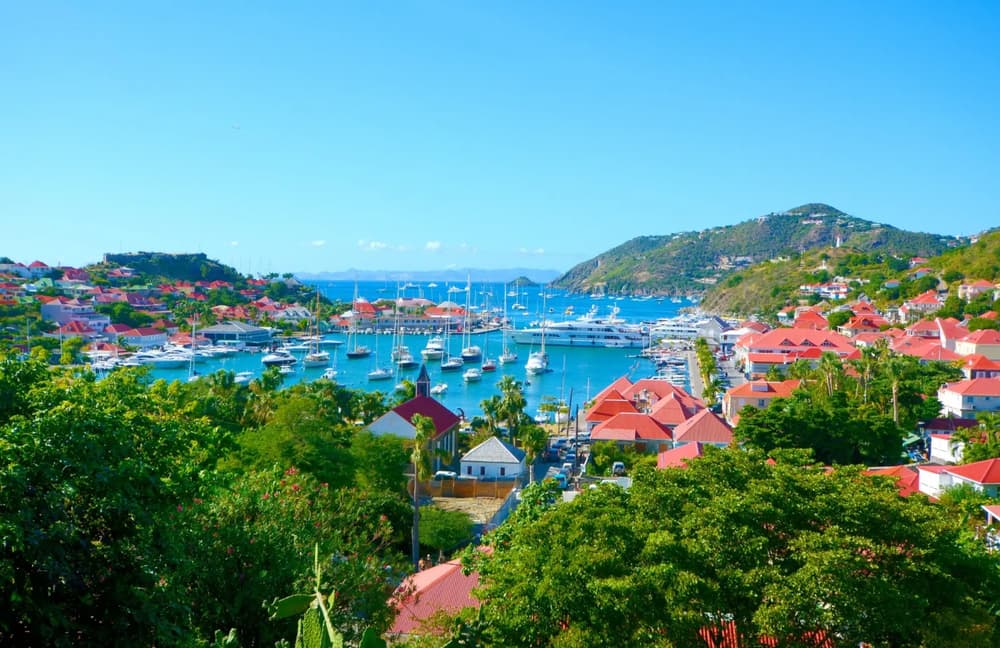
Day 5: Orient Bay - Gustavia, St. Barts (14 NM)
Enjoy a short sail to Gustavia, the cosmopolitan capital of St. Barts. Browse luxury boutiques, dine at world-class restaurants, or simply enjoy the lively harbour scene and French-Caribbean elegance.
Day 6: Gustavia - Great Bay, Philipsburg, Saint Martin (13.7 NM)
Sail west to the Dutch side of Saint Martin and anchor in Great Bay, just off the capital Philipsburg. Visit the duty-free shops or relax along the boardwalk with a cocktail and Caribbean sunset.
Day 7: Great Bay - Marigot Bay, Saint Martin (12.5 NM)
Complete your loop with a short cruise back to Marigot Bay. Enjoy a final breakfast on board or explore the French capital’s cafés and markets before disembarkation.
It depends. For example, the most important ones are the type of boat you will choose and whether you require a professional crew on board (e.g., skipper, hostess, or cook). So, as you can see, there are many factors that can shape the price for a boat rental.
Check our full guide about yacht charter cost and how you can save much money in your next sailing holidays, or request a tailor-made quote from one of our yacht charter consultants!
St. Martin’s dual French-Dutch culture and sheltered waterways make it ideal for bareboat, skippered, and crewed charters.
Bareboat charters attract experienced sailors who relish sailing from Marigot’s chic marina to indigenous bays and onward to Anguilla or St. Barth under their own command.
For a more relaxed charter holiday, skippered charters include a local captain who navigates lively anchorages and shares insights on the island’s best beachfront cafés.
And for travelers seeking pampering, fully crewed yacht charters offer a private yacht cruise with full-service crews, gourmet cuisine, and seamless border clearances between the French and Dutch sides for an effortless Caribbean escape.
For real-time availability and pricing on sailing yacht, catamaran, gulet, power catamaran, and motorboat deals, visit our real-time search engine. This tool allows you to explore the best charter options instantly and secure your dream yacht charter with ease.
The yachting community's most-asked questions, answered by our experts.
Saint Martin blends French elegance with Dutch vibrancy, offering gourmet dining, lively nightlife, and easy access to Anguilla and St. Barts.
December–May is the prime season with steady 15-20 knot trade winds. June-November is hurricane season, though some sailors take advantage of off-season discounts.
Yes. While regulations vary between French and Dutch sides, most operators require an ICC, ASA 104, or RYA certificate, or proof of sailing experience.
The French side offers haute cuisine in Grand Case and open-air markets, while the Dutch side is famous for casinos, nightlife, and rum-based guavaberry drinks.
Expect consistent trade winds, calm passages between islands, and excellent visibility. Summer winds average 10-20 knots, while winter can reach 25-30 knots.
Yes. Customs vary by side: the French side uses automated kiosks, while the Dutch side requires marina-based immigration checks. Mooring fees apply in some lagoons.
Charters typically start from Marigot Bay (French side) or Simpson Bay (Dutch side), both just 10-15 minutes from Princess Juliana International Airport (SXM).
Popular stops include Anguilla’s Road Bay, St. Barts’ Anse de Colombier, Tintamarre’s beaches, and Prickly Pear Cays for snorkeling.
Bareboats start around €2,800/week. Luxury crewed catamarans can exceed €15,000/week depending on season, yacht type, and itinerary.
Tintamarre Island and Pinel Island are top choices for those on a sailing holiday. Tintamarre is an uninhabited nature reserve where you can often swim with sea turtles in crystal-clear water. Creole Rock, near Grand Case, is another highlight, offering shallow reefs teeming with tropical fish. These spots are easily reached by tender once you have secured your mooring.