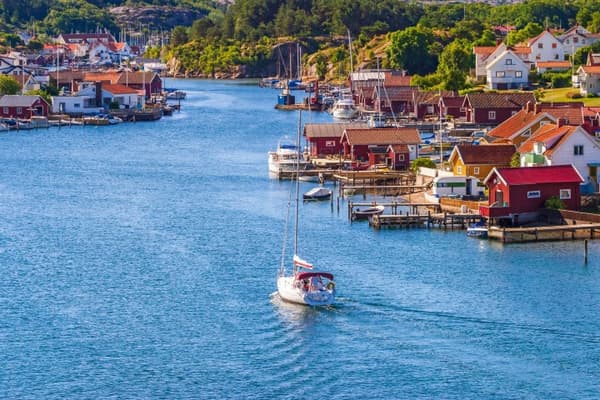
A yacht charter guide that has everything you need to know about your next sailing holidays in Sweden and specifically boat trips around Stockholm.
Are you familiar with the Swedish archipelagos and want to look at boat options for your next yacht charter? Then skip to: Boat rentals in Sweden
| Feature | Details |
| Primary Region | Stockholm Archipelago (Thousands of islands and skerries) |
| Sailing Season | June to September |
| Daylight Hours | Exceptionally long (up to 18 hours in June/July) |
| Climate | Pleasantly warm in summer (12°C to 25°C) due to the Gulf Stream |
| Sailing Conditions | Generally easy; minimal tides; moderate winds (10- 20 knots) |
| Navigation Note | Crucial to watch for hidden rocks and islets; autopilot and charts recommended |
| Charter Types | Bareboat, Skippered, and Crewed Yacht Charters |
| License Requirements | Generally no mandatory license for small boats, but ICC or RYA Day Skipper is preferred |
Sweden’s prime sailing season runs from late May through August, when temperatures are pleasant and daylight hours are notably long - especially around midsummer. Wind conditions in the Baltic Sea and along the western coast usually remain moderate (10 - 20 knots), suitable for both novice and experienced sailors.
During high summer (June - July), you can take advantage of nearly 18 hours of daylight, making it easier to navigate the intricate archipelagos. Spring and early autumn may see cooler weather and fewer crowds, but they can also bring variable winds and shorter days. For the quintessential Swedish sailing experience, plan your charter around the vibrant summer months when harbors and coastal towns come alive.
What are the sailing qualification and license requirements to charter a yacht or catamaran in Sweden? Sweden does not enforce a mandatory recreational boating license for vessels under a certain size or engine capacity.
However, most charter operators require skippers to demonstrate adequate knowledge of navigation, local regulations, and boat handling - either through an international certificate like the ICC, an RYA Day Skipper credential, or a detailed resume of previous maritime experience. The Swedish Transport Agency outlines guidelines ensuring safety in the archipelagos; understanding local right-of-way rules and environmental protections is critical.
If you prefer a smoother experience exploring Stockholm’s famed archipelago or the west coast near Gothenburg, hiring a professional skipper or crew is readily available.
Sweden’s coastal heritage combines Viking history with modern Scandinavian design, reflected in seaside towns like Gothenburg or the Stockholm Archipelago.
Docking at small harbors, you can sample pickled herring, gravlax (cured salmon), and shrimp sandwiches, often paired with crisp local lagers or aquavit. Fika (coffee break) is a cherished daily ritual - stop in cozy cafés for cinnamon buns or cardamom rolls.
Midsummer celebrations showcase traditional maypole dancing, floral wreaths, and folk music, offering a perfect cultural immersion during a Sweden sailing holiday.
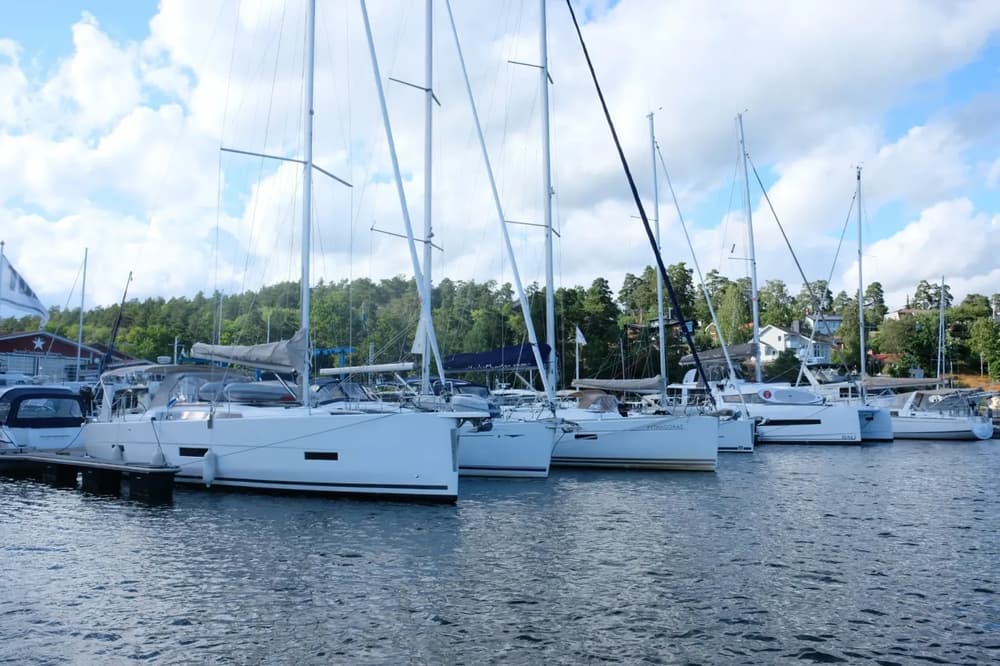
Sweden’s extensive coastlines and archipelagos follow the principle of Allemansrätten (“right of public access”), allowing boats to anchor in many spots - yet some areas impose restrictions to protect wildlife or shorelines. Guest harbor fees vary and often include access to showers, Wi-Fi, and electricity.
Keep vessel registration and insurance documents handy for any spot inquiries by the local coast guard. Respect posted guidelines for waste disposal and speed limits to preserve the idyllic environment of Sweden’s sailing waters.
(5).webp)
As the capital city, Stockholm is the epicenter of Swedish culture.
The city is cosmopolitan and can be very posh and upscale. However there’s much more than meets the eye - the Stockholm archipelago has thousands of little islands, making the surrounding waters the dream sailing playground. From Stockholm you can reach Ingarö, Ljusterö, Värmdö.
You can slalom and weave between them, making each stretch between land nice and short. As the islands are close together, they are unaffected by the tides making sailing very simple.
Enjoy beautiful pristine nature and warm friendly culture at each stop along the way with Sweden sailing. Sweden’s simple scandinavian culture will be a refreshing and rejuvenating experience.
For weather, Sweden will have a surprisingly pleasant climate, despite its northern location, because of the Gulf Stream influence. Also, with the Baltic’s narrow entrance, there will be almost no tides to account for making sailing easy!
Sweden’s sailing season runs between June and September, which will catch the lovely warm summer temperatures, usually between 12 and 25°C. Winters in Sweden are extremely cold and temperatures regularly drop below freezing. If you are planning to do a Sweden boat rental during the winter, you should make sure you have the right specialist gear to handle the weather.
Remember that during the summer, the daylight hours will be long. Winds will be good and in the summer months, there’s a 25% chance that winds reach Force 5. Make sure you check the weather reports frequently!
To start your Sweden boat rental, you will have to get to Arlanda airport ARN. It is very easy to get many different international flight and the airport is well connected to the city center.
To get to the base from the airport you can either take the Arlanda Express train, which operates every 15 minutes and takes about 20 minutes. Tickets onboard cost more, so pre-book ahead, here! There’s also commuter trains that depart every 30 minutes and take around 45 minutes.
If you’d like to take the bus, the Flygbussarna Airport Coaches depart every 10 - 15 minutes and takes about 35 - 45 minutes. There’s also a Flixbus route that goes directly to/from Terminal 5 and the City Center.
Transfer times by car or taxi are as follows:
Arlanda - Transfer Time to base: 40 - 45 minutes
Yacht4Less can provide airport transfers to the base, if needed. Just speak with your charter consultant, and provide your travel itinerary details.
The local currency is the Swedish Krona, however Sweden is one of the most cashless societies on the planet, so credit cards are generally accepted everywhere. If you’d like to have some cash on hand, you can exchange in the airport or prior to your departure.
Also good to note - while sailing in the Stockholm Archipelago is generally very easy, strong navigation will be important. There are hidden rocks in the water, and many little islets that can sneak up if you are not on the lookout.
Make sure you have an autopilot, and all the usual charts to avoid any disasters!
Day 2: Stockholm - Grinda (14 NM)
Sail into the lush Stockholm Archipelago to Grinda, a nature reserve known for its scenic walking trails and quiet anchorages. Enjoy a traditional Swedish dinner at the island’s inn or a sunset swim from the jetty.
Day 3: Grinda - Finnhamn (12 NM)
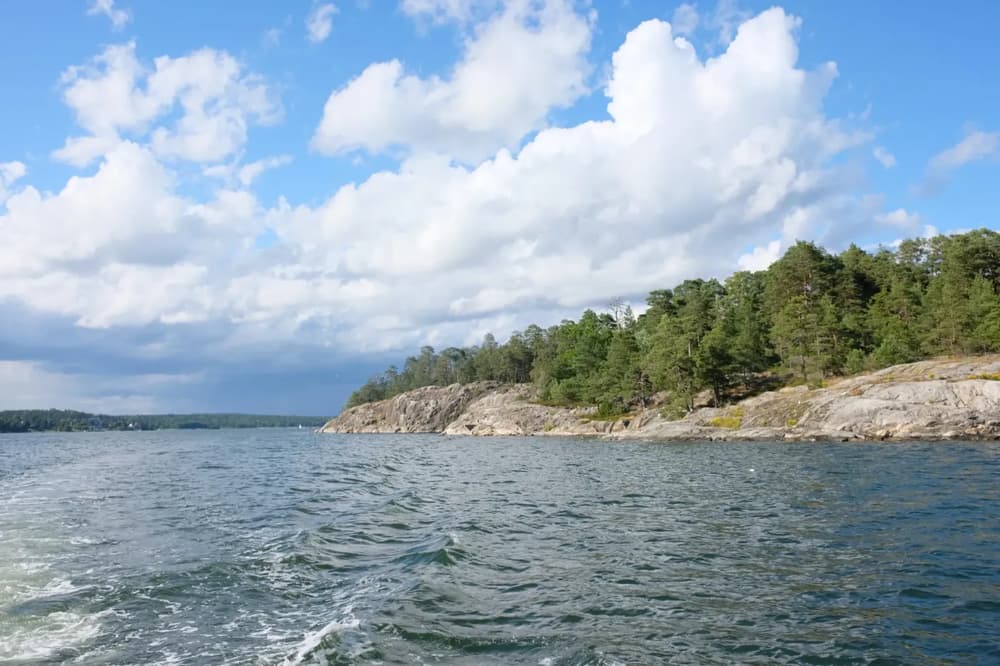
Cruise east to the peaceful harbour of Finnhamn, nestled among pine trees and smooth granite cliffs. This unspoiled anchorage is perfect for hiking, kayaking, or simply enjoying the Nordic tranquillity.
Day 4: Finnhamn - Sandhamn (16 NM)
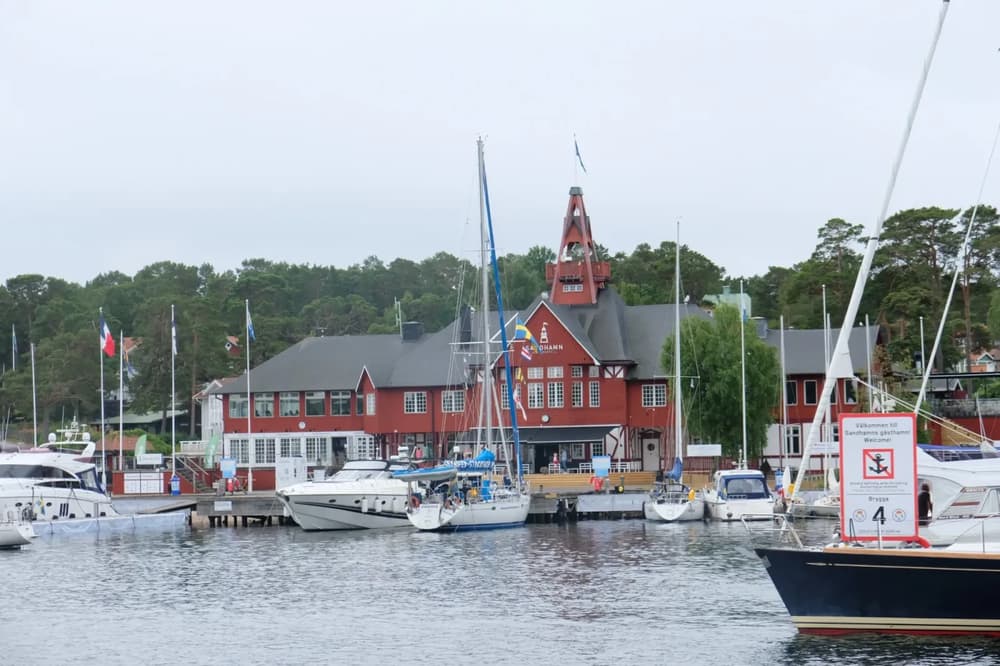
Continue to Sandhamn, the archipelago’s most vibrant sailing hub and home of the Royal Swedish Yacht Club. Explore its wooden cottages, bustling harbour, and lively cafés overlooking the Baltic Sea.
Day 5: Sandhamn - Malma Kvarn (12 NM)
Head southwest to the peaceful cove of Malma Kvarn, a favourite among local sailors for its serenity and shelter. Spend the evening in nature, with options for forest walks or a quiet dinner aboard.
Day 6: Malma Kvarn - Wasahamnen (24 NM)
Sail back toward the city and dock at Wasahamnen, one of Stockholm’s most centrally located marinas. Enjoy your final evening with views of the Vasa Museum and a farewell dinner in the capital.
Day 7: Wasahamnen - Stockholm (Check-out)
Disembark in Stockholm after a week of sailing through one of the world’s most stunning island landscapes. Depart with unforgettable memories of calm waters, pine-covered isles, and Scandinavian charm.
If you’re new to these waters or simply want to fully relax, skippered charters are a great option in Sweden; a local captain will expertly navigate narrow channels and lead you to charming seaside villages (so you can enjoy a coffee break “fika” without worrying about the charts).
For real-time availability and pricing on sailing yacht charters visit our real-time search engine. This tool allows you to explore the best charter options instantly and secure your dream yacht charter with ease.
The yachting community's most-asked questions, answered by our experts.
Sweden’s coastline and 30,000-island Stockholm Archipelago offer pristine nature, Viking history, and safe, tide-free sailing waters perfect for exploration.
The prime season is June–September, with long daylight hours, mild 12-25°C temperatures, and steady 10-20 knot winds. Winters are harsh and best avoided unless with specialist gear.
No strict license is required, but most operators request proof of competence, such as an ICC, RYA Day Skipper, or a sailing resume. Skippered charters are available for beginners.
Stockholm and Gothenburg are the key sailing hubs. Stockholm’s archipelago is the most popular starting point, easily accessible from Arlanda Airport (ARN).
Try Swedish specialties like pickled herring, gravlax, and shrimp sandwiches. Don’t miss fika with cinnamon buns and Midsummer celebrations featuring maypoles, music, and folk traditions.
Yes. Thanks to Allemansrätten (right of public access), you can anchor freely in many places, but some zones restrict anchoring for environmental protection. Guest harbors may charge small fees.
Sailing is easy with minimal tides, sheltered passages, and calm summer weather. However, sailors must stay alert for hidden rocks and shifting winds in the archipelagos.
Expect seals, seabirds, and diverse marine life in the Baltic waters. Inland forests along the coast are also home to deer and elk.
Bareboat charters start around €2,800/week, while larger catamarans and luxury yachts can exceed €10,000/week depending on season and yacht type.
Navigating Sweden’s waters requires a diligent eye and modern GPS equipment due to the sheer volume of islands and submerged rocks. The routes are excellently marked with lateral and cardinal buoys, but you should always keep a physical sea chart as a backup. The lack of significant tides makes the process simpler than in the UK, provided you stay within the marked channels.