
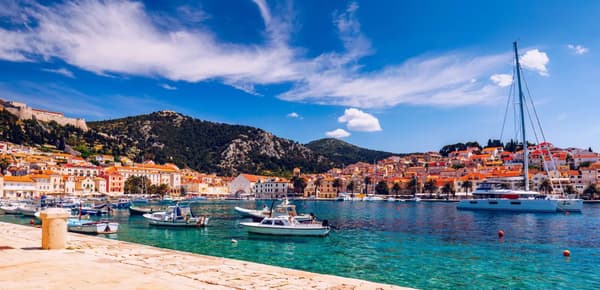
Browse Boat Rentals in Croatia
Have you ever wondered about the differences between sailing in Greece vs. Croatia? Both destinations boast crystal-clear waters, breathtaking coastlines, historic seaside towns, and stunning island landscapes, but choosing the perfect spot for your next sailing holiday can be challenging.
With thousands of islands, world-class marinas, vibrant nightlife, and hidden anchorages, each country offers a unique sailing experience.
Whether you're looking for adventurous island-hopping, cultural exploration, or a relaxing getaway, we've got the answers to help you decide!
Did you know that Croatia is home to over 1,200 islands, cliffs, and reefs? This sailor’s paradise offers some of the best island-hopping routes in the world, with short sailing distances and well-protected anchorages.
Here are the top three sailing regions along the Dalmatian Coast:
Northern Dalmatia - Famous for truffle hunting, the Pula Amphitheater, and Brijuni National Park.
Central Dalmatia - A must-visit for Krka National Park’s waterfalls and the stunning Kornati National Park.
Southern Dalmatia - Dubrovnik, also known as King’s Landing from Game of Thrones, is a highlight here.
.webp)
Croatia’s short sailing distances make island-hopping the best way to explore. Stop by Brač and Vis for secluded bays and exquisite waterfront dining, or head to Hvar for a mix of beach clubs, history, and nightlife. For those seeking adventure, the Pakleni Islands offer some of the most picturesque anchorages in the Adriatic.
Whether you want to party, unwind, or stay active with hiking and water sports, Croatia has it all.
Plan your Croatia sailing adventure:
Sailing Holidays in Croatia Guide
Browse Yacht Charter Deals in Croatia
With over 6,000 islands and the 10th-longest coastline in the world, Greece offers endless sailing opportunities. From sun-kissed beaches and ancient ruins to lively island towns, one trip to Greece is never enough! Here’s a breakdown of the five main Greek sailing regions and their must-visit islands:
Attica, Argolic & Saronic Gulf - Agistri, Poros, Hydra - Sheltered waters and easy sailing routes, perfect for first-time sailors.
Cyclades Islands - Santorini, Mykonos, Paros - Famous for white-washed villages, luxury resorts, and vibrant nightlife.
Sporades Islands & North Aegean - Skiathos, Skopelos, Alonissos - Known for lush landscapes and secluded anchorages.
Dodecanese & East Aegean - Kos, Rhodes, Symi - A mix of medieval castles, sandy beaches, and rich history.
Ionian Islands - Corfu, Zakynthos, Kefalonia, Lefkas - Calm waters, Venetian architecture, and beautiful coastal towns.
Each region offers something unique, from Santorini’s volcanic beaches to Mykonos’ world-famous nightlife and Corfu’s historic Old Town. With so many incredible sailing routes, choosing the perfect itinerary can be overwhelming.
Plan your Greece sailing holiday:
Sailing Holidays in Greece Guide
Browse Yacht Charter Deals in Greece
Are you a first-time sailor or someone looking for an easy, stress-free sailing experience? If so, both Greece and Croatia offer beginner-friendly sailing conditions, making them ideal destinations for your first yacht charter.
Both countries enjoy a warm Mediterranean climate, with temperatures reaching up to 30°C (86°F) during the day and around 24°C (75°F) at night in peak summer (July and August). You can expect long sunny days, predictable winds, and minimal rainfall, ensuring smooth sailing conditions.
However, each country has its own famous winds that every sailor should be aware of.
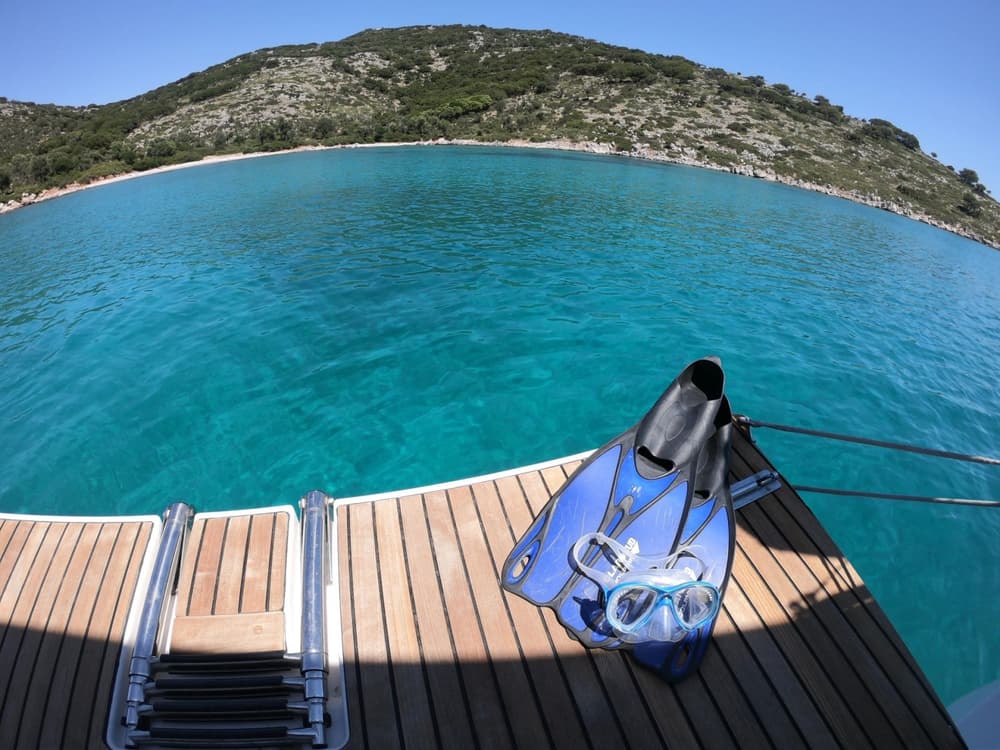
When sailing in Greece, it's important to be mindful of the Meltemi wind, especially in certain regions.
-What is the Meltemi?
The Meltemi is Greece’s most famous summer wind, strongest during July and August. It predominantly affects the Cyclades and Dodecanese Islands, blowing from the North and North-West. It typically ranges from 4-6 Beaufort but can reach 7-8 in sudden gusts. The wind peaks in the early afternoon and dies down at sunset.
-Best Greek sailing areas for beginners:
For a calmer sailing experience, we recommend choosing more sheltered waters, such as:
Saronic & Argolic Gulf - Offers protected sailing routes and short island-hopping distances.
Ionian Islands - Generally less affected by strong winds, making them ideal for first-time sailors.
-Do People Speak English in Greece?
Yes! More than half of Greeks speak English fluently, particularly in tourist-heavy islands and cities. In smaller, less touristy islands and rural areas, English may be less commonly spoken, but locals will still try their best to help you. Greek hospitality is legendary, so even if there is a language barrier, expect friendly smiles and gestures to guide you in the right direction!
Greek Phrases to Know:
"Efcharistó" - Thank you
"Psári" - Fish
"Krasí" - Wine
Even if you only learn a few basic words, Greek locals will appreciate your effort and might even reward you with a warm smile or an extra glass of wine! 🍷
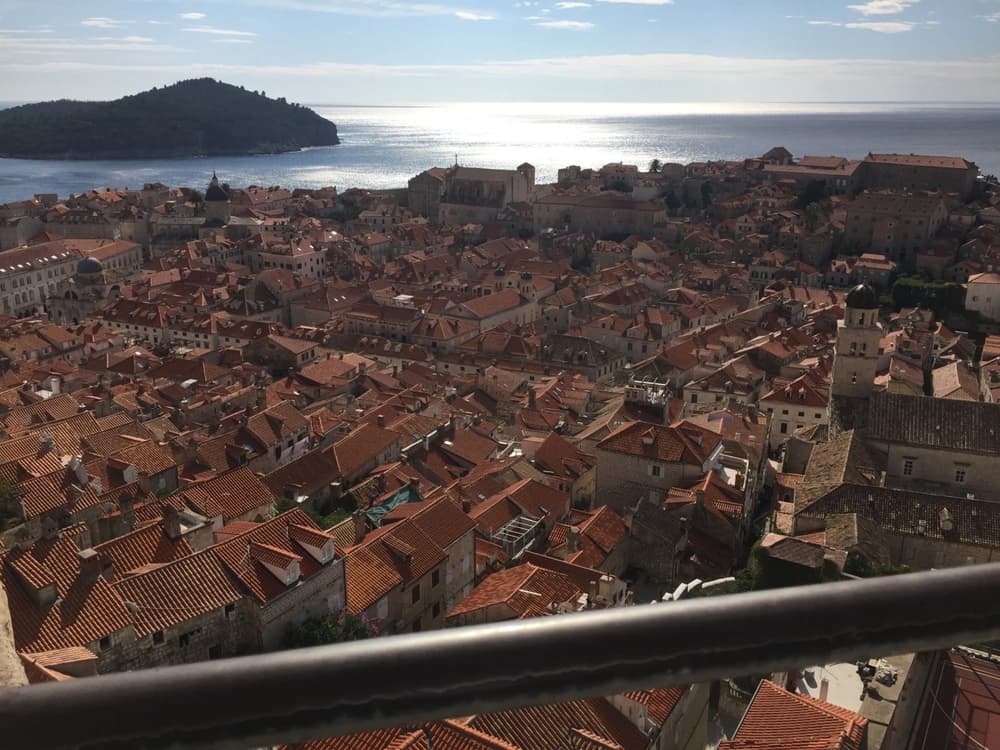
Croatia also provides fantastic conditions for beginner sailors, but it's good to be aware of the Bura wind.
-What is the Bura?
The Bura is Croatia’s most well-known wind, occurring mostly in Northern and Central Dalmatia. During peak summer (July & August), it typically lasts less than a day and is generally manageable. In spring (April-May) and autumn (October), it can be stronger and reach up to 9 Beaufort. The Bura is more common in North Dalmatia (Kvarner Bay & the Velebit Channel).
-Best Croatian sailing areas for beginners:'
Southern Dalmatia (Dubrovnik, Korčula, Mljet) - Offers calm, predictable sailing conditions.
Central Dalmatia (Split, Hvar, Brač, Vis) - A great choice for smooth sailing with short island-hopping routes.
-Do People Speak English in Croatia?
Yes! English is widely spoken in Croatia, particularly in coastal regions and tourist hotspots. Even on smaller islands, you’ll find locals who can communicate in English, making it easy to ask for directions, restaurant recommendations, or sailing advice. Many older generations on the islands also have a basic understanding of English and are friendly and willing to help.
Croatian Phrases to Impress the Locals:
"Bura" - You already know this one! (Croatia’s famous wind)
"Riba" - Fish
"Vino" - Wine
"Hvala" - Thank you
Locals appreciate when visitors make an effort, and a simple “Hvala” (thank you) can go a long way in making a great impression!
| Feature | Greece | Croatia |
| Scale & Scope | Over 6,000 islands; 10th longest coastline in the world. | Over 1,200 islands, cliffs, and reefs. |
| Sailing Distances | Can vary from short to long distances between island groups. | Generally shorter distances; ideal for rapid island-hopping. |
| Climate | Warm Mediterranean; peaks at 30°C (86°F) in summer. | Warm Mediterranean; peaks at 30°C (86°F) in summer. |
| Key Winds | Meltemi: Strongest in July/Aug (Cyclades/Dodecanese). | Bura: Mostly in North/Central Dalmatia; can be strong in shoulder seasons. |
| Best for Beginners | Ionian Islands and Saronic Gulf (calmer waters). | Southern Dalmatia and Central Dalmatia (predictable conditions). |
| Charter Costs | Generally more affordable for bareboat and skippered charters. | Tends to be higher, especially for crewed yachts/catamarans. |
| Mooring Fees | Lower. Many free anchorages and cheap smaller ports. | Higher. Known for modern, premium, but expensive marinas (ACI). |
| Dining & Food | More budget-friendly; cheaper tavernas and local markets. | Slightly more expensive, especially in hotspots like Hvar/Dubrovnik. |
| Atmosphere | Remote bays, sandy beaches, ancient ruins, and history. | Pine-covered landscapes, medieval towns, and vibrant beach clubs. |
| Language | English widely spoken (hospitality-focused). | English widely spoken (tourist-friendly). |
Both Greece and Croatia offer excellent conditions for beginner sailors, but the best choice depends on the season and your preferred sailing style:
✔ For sheltered, easy sailing - Greece’s Ionian Islands and Saronic Gulf or Croatia’s Dalmatian Coast.
✔ For a bit more adventure - Greece’s Cyclades Islands (with Meltemi winds) or Croatia’s North Dalmatian coast(with occasional Bura winds).
When planning a sailing holiday, one of the key factors to consider is budget. Both Greece and Croatia offer a wide range of yacht charter options, but which destination is more affordable?
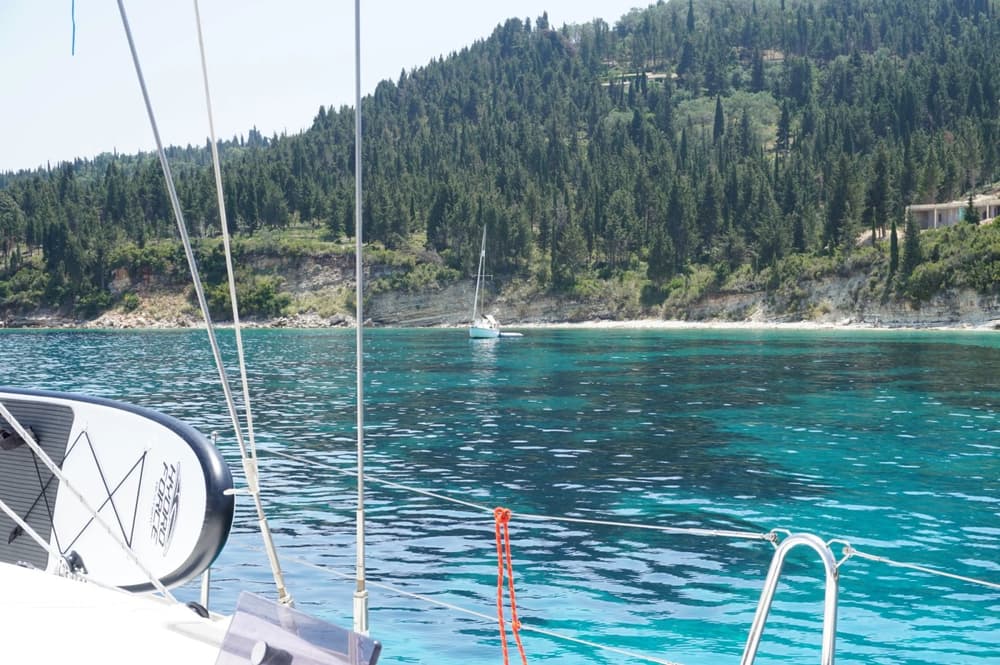
While both countries provide excellent value for money, there are notable cost differences in areas such as charter prices, marina fees, dining, and provisioning.
The cost of chartering a sailing yacht or catamaran in both countries depends on factors such as boat size, seasonality, and departure location. However, on average:
TIP: To find the best charter deals, book your yacht early or travel outside of peak season (June-August) when prices are lower.
Greece:
Croatia:
TIP: If you’re on a budget, anchoring in bays or choosing smaller harbors can help reduce costs in both countries.
Check marina facilities & fees here:
Greek Marinas & Mooring Spots
Croatian Marinas & Docking Options
Another major cost factor when sailing is food & drink. So how do Greece and Croatia compare?
Greece is more affordable for dining out and provisioning. You’ll find cheaper tavernas, local markets, and fresh seafood at lower prices.
Croatia is slightly more expensive, particularly in tourist-heavy islands like Hvar & Dubrovnik, where restaurants tend to charge premium prices.
TIP: Stock up on groceries in larger towns before heading to smaller islands, where prices are often higher.
Fuel Prices: Both Greece and Croatia have similar fuel prices, though this can fluctuate.
Tourism Taxes: Croatia charges a tourist tax per person per day, while Greece has port & cruising taxesdepending on the region.
Water & Electricity Fees: These are usually included in marina fees, but in Croatia, some marinas charge extra for utilities.
✔ For budget-friendly sailing → Greece is the better option due to lower mooring fees, cheaper dining, and affordable charter options.
✔ For premium yacht charters & luxury experiences → Croatia is ideal, especially if you prefer high-end marinas and crewed yacht services.
Ultimately, both Greece and Croatia offer fantastic sailing experiences for all budgets. Whether you're looking for affordable adventure sailing or a high-end luxury yacht charter, Yacht4Less will help you find the best option for your budget.
One of the biggest concerns for travelers when sailing abroad is whether English is widely spoken. The good news is that in both Croatia and Greece, English is commonly spoken, especially in tourist areas, marinas, and restaurants.
However, learning a few local words and phrases can go a long way in enhancing your experience and impressing the locals!
Deciding between sailing in Greece or Croatia? The truth is, both destinations offer incredible sailing experiences, but the best choice depends on your travel preferences, sailing style, and trip duration.
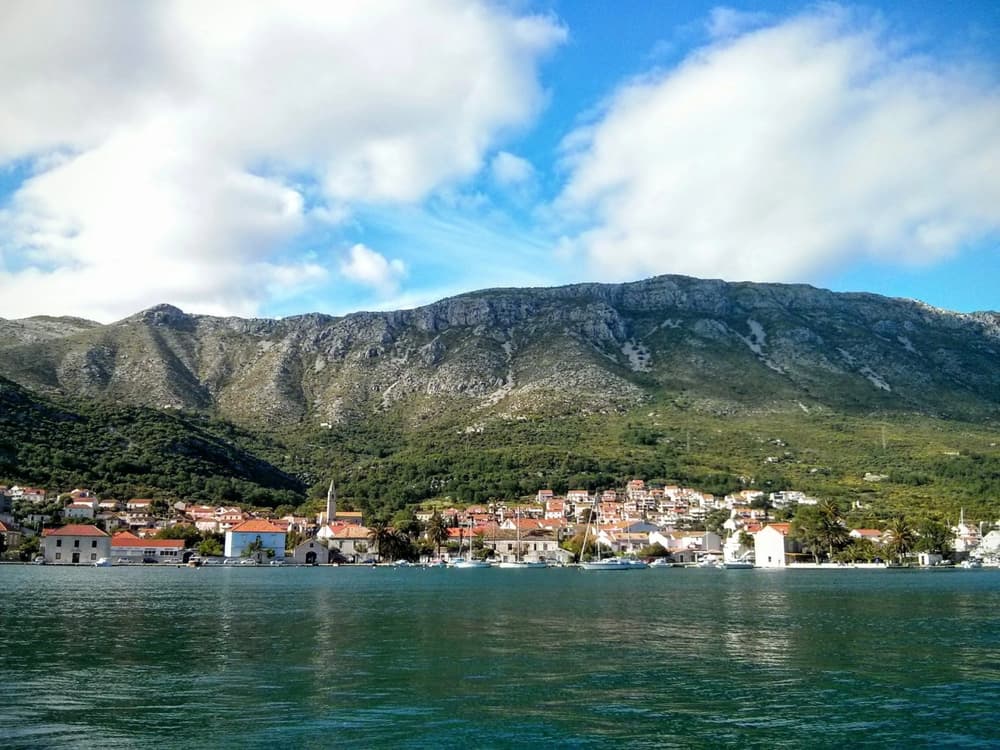
Choose a Croatia yacht charter if you prefer:
Choose a Greece yacht charter if you prefer:
📍 Flight Availability May Also Influence Your Choice
Consider checking flights to major Croatian airports like Split, Zadar, and Dubrovnik, or Greek airports like Athens, Kos, Rhodes, Corfu, Preveza, Skiathos, and Volos to find the best connection for your trip.
Choosing between sailing in Greece or Croatia in 2026 means deciding on two of Europe’s most spectacular sailing destinations, each with unique charms and advantages.
Greece offers an expansive archipelago of over 6,000 islands, featuring iconic spots like Santorini and Mykonos, with ideal sailing regions such as the Ionian Islands and the Saronic Gulf that provide calmer waters perfect for beginners. Croatia’s Dalmatian Coast boasts over 1,200 islands with shorter sailing legs, pristine anchorages, and historic highlights like Dubrovnik, ideal for island-hopping enthusiasts.
Both countries benefit from warm Mediterranean climate peaks at 30°C in summer with predictable winds - the Meltemi in Greece and the Bura in Croatia - offering exciting sailing dynamics. Cost-wise, Greece generally offers more affordable bareboat and skippered charters and lower mooring fees, while Croatia’s prices are higher but often justified by premium marina services and crewed yacht options. English is widely spoken in both spots, with locals welcoming visitors warmly.
For real-time availability and pricing on sailing yacht, catamaran, gulet, power catamaran, and motorboat deals, visit our real-time search engine. This tool allows you to explore the best charter options instantly and secure your dream yacht charter with ease.
The yachting community's most-asked questions, answered by our experts.
Both offer world-class sailing, but Greece is ideal for culture, ancient history, and diverse islands, while Croatia excels in short island-hopping and medieval coastal towns.
Top picks include the Cyclades (Mykonos, Santorini), Ionian Islands (Corfu, Lefkas), and Saronic Gulf (Hydra, Aegina) for beginners.
Northern Dalmatia (Zadar, Kornati), Central Dalmatia (Split, Hvar, Brač), and Southern Dalmatia (Dubrovnik, Korčula) offer rich variety and easy sailing legs.
Croatia is slightly easier due to short passages and calmer seas. In Greece, the Ionian and Saronic Gulf are beginner-friendly, while Cyclades challenge advanced sailors.
Greece has the Meltemi, strongest in July - August, mainly in the Cyclades. Croatia has the Bura, more common in Northern Dalmatia but short-lived in summer.
Croatia is usually more affordable for marina fees and provisioning. Greece can have lower charter rates but higher docking and dining costs.
Greece has over 6,000 islands, while Croatia has 1,200. Greece offers longer passages between regions, whereas Croatia has shorter hops, ideal for island-hopping.
Greece’s Mykonos and Ios are nightlife hotspots, while Croatia’s Hvar and Dubrovnik are famous for beach clubs and vibrant party scenes
Yes, an ICC or RYA Day Skipper license plus VHF certification is required for bareboat charters in both Greece and Croatia.
Pick Greece for history, variety, and culture; Croatia for easy sailing, medieval towns, and affordability. Yacht4Less experts can tailor recommendations to your group.
British nationals can visit both Greece and Croatia visa-free for up to 90 days within any 180-day period. Croatia joined the Schengen Area in January 2023, so time spent there now counts towards your overall Schengen allowance alongside Greece. It is worth tracking your days carefully if you plan to visit both countries in the same season.